
Course description
Agricultural commodity trade is a low-value, high-volume and capital-intensive business that ties up substantial amounts of liquidity. Trade finance refers to financing trade transactions along the value chain domestically and internationally. Trading parties thus need trade finance solutions to lubricate the commodity trade machinery. The overarching need for trade financing is to introduce a third-party to transactions to remove the payment risk and the supply risk while providing the seller with cash advances on receivables. The availability of trade finance is thus essential for a healthy commodity trading system. However, it does come at a cost, and in many cases around Sub-Saharan Africa, this cost makes financing unviable, which subsequently derails many trade opportunities. This calls for innovative approaches to commodity trade finance to deliver value to both commodity traders and financiers.
This is a highly, intensive, and multi-disciplinary course bringing together trade finance product concepts, application to supply chains and financing structures typically used to facilitate commodity trade flows for the grain value chain. The course provides a comprehensive view of the interplay between trade finance instruments and supply chains as they apply to the commodities business. To provide a comprehensive coverage, the course covers trade finance techniques, agricultural commodity exchange systems, international and regional trade procedures, trade policy, trade contracts in international trade, trade insurance and application of market information systems in commodity financing. Successful completion of this course helps financiers better understand the agricultural commodity trade landscape in the region to thus develop more suitable trade finance products, while trade practitioners (traders, importers and exporters) get a better understanding of the trade financial ecosystem and how they can best leverage it to facilitate commodity trade.
Course Outline
- Overview of Grain Sector (International, continental, Regional and National): Status of structured trade systems, Trade policies and regulatory frameworks, regional grain trade outlook and trends and grain commodity profiles (demand and supply, financing opportunities, risks, and risk mitigation).
- Understanding the National, Regional and International Grain trade practices: Overview of national, regional, and international trading systems, requirements for grain trading documentation, logistics, banking procedures, payment modes, credit terms and implications, financing procedures and INCOTERMS.
- Structured Commodity Trade Finance: What structured commodity trade finance is, financing techniques and types (pre-export, shipment/transportation, inventory, and receivables) for structured commodities, risk ad risk mitigation measures.
- Experiences in Structured Commodity Trade Financing: Experience sharing from industry practitioners and selected service providers.
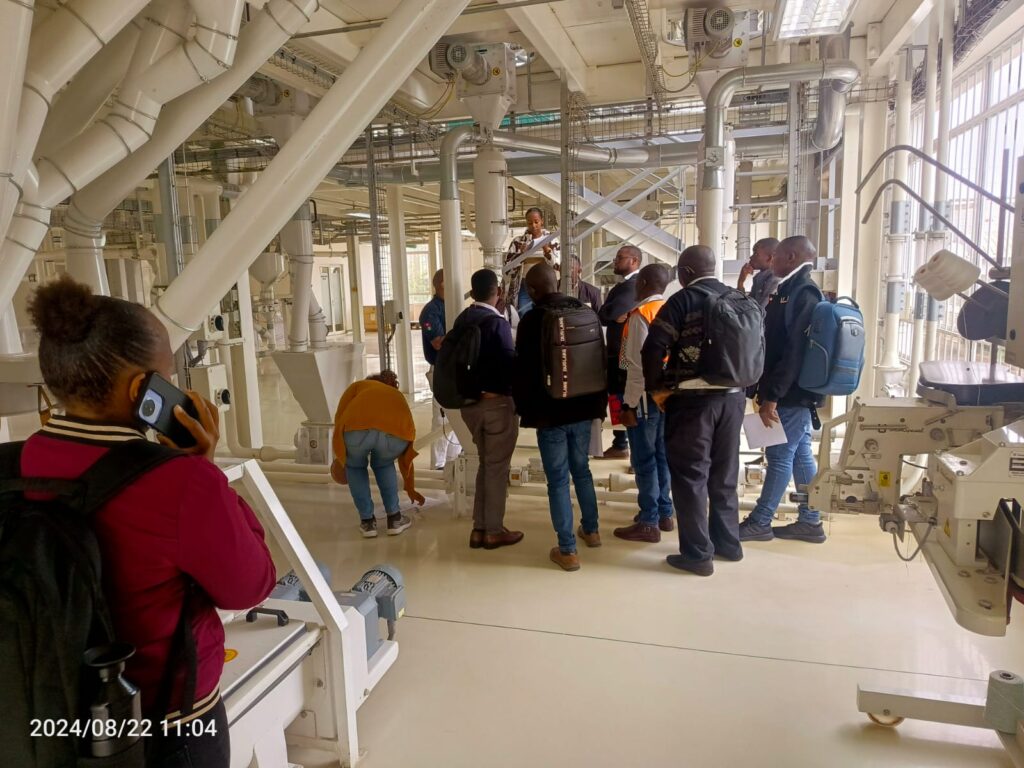
- Experiential field visit: Visit to an International Commodity Handling Facility or a Grain
Importing and Processing Company.
Specific Outcomes
- Improved national, regional, and international trade finance products and services.
- Comprehension of financing opportunities and challenges in regional and international trade.
- Increased regional and international commodity trading among trained practitioners.
- An enabling environment for international trade financing.
Delivery Method
Stimulating lecture, analytical learning through exercises, practical sampling for Aflatoxin analysis and aflatoxin testing session, experience sharing, field visit and case studies.
Duration
Three-day course with a half day practical on the third day.
Target Client
- Regulators responsible for commodity trade financing,
- commodity traders
- bankers
- finance managers
- finance directors
- risk and credit managers
- corporate treasurers
- trade finance specialists
- account, and marketing managers.