
Course Overview
Fumigation is important for controlling pests during grain storage. However, it is also a safety hazard; improper fumigation leads to ineffective pest control, exposes warehouse staff to toxic gases which can cause health problems, while fumigant residues increase food safety risks which can lead to business losses and enforcement actions by regulators. This course is designed to equip grain handlers with fundamental skills in fumigation and general industrial pest control. The course covers pest control mechanisms with a focus on the processes of fumigation, types of fumigants and safety precautions during fumigation and other aspects of grain post-harvest handling and pest control and management practices.
Successful completion of this course will help businesses improve cost-effectiveness of pest control practices and ultimately improve business performance and profitability..
Course outline
- The safe and effective use of the fumigants such as Methyl Bromide and Phosphine.
- Spraying, misting and fogging in food areas.
- Rodent biology and control the future of fumigation.
- Integrated Pest Management (IPM) in food areas Aflatoxin management strategies.
- The Hazard Analysis Critical Control Point (HACCP) system.
Specific Outcomes
- Enhanced skills in managing pests.
- Competency in hazards and risks management within the warehouse.
- Achieve maximum performance in inventory management.
- Eliminate waste in processes and stock management.
- Appreciate the various pest management equipment and their associated maintenance practices.
- Recognition by the EAGC-GBI: Attain EAGC-GBI Fumigators Certificate.
Delivery Method
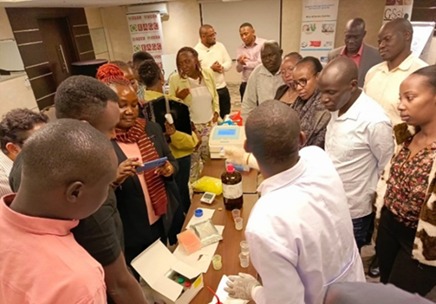
Stimulating lecture, analytical learning through exercises, groups discussions, practical session, field/learning visit, experience sharing, and case studies.
Duration
Three-day course with a half day practical on the third day.
Target Clients
- Warehouse operators/ managers
- quality control/ assurance
- officers & managers
- grain graders
- industrial pest management
- service providers
- regulators
- commodity traders
- food processors
- farmer-based organisations/ cooperatives
- logistics and transport service providers
- regulators
- food reserve agency personnel.